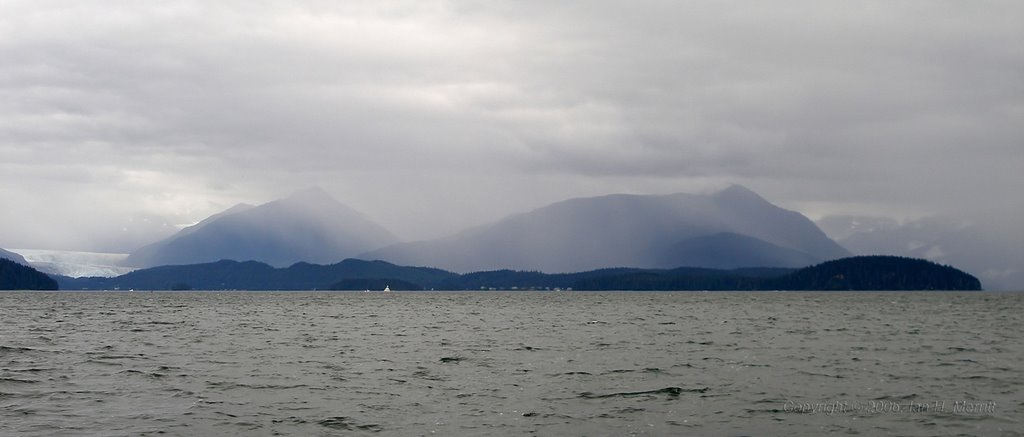
A relaxing weekend spent in Juneau, the Capital City of Alaska, provided these scenes.
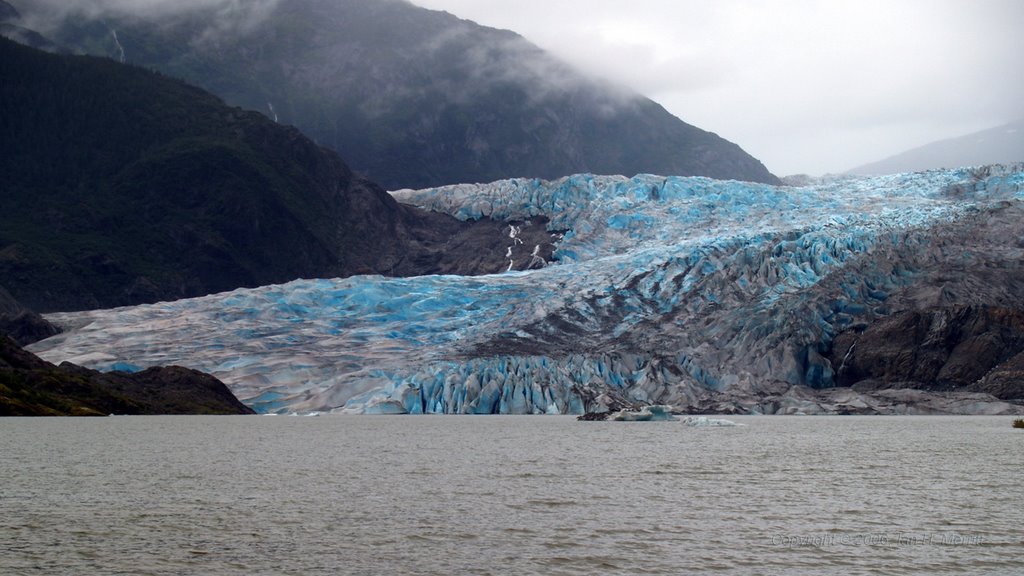
Snaking down from the Juneau Ice Field, the Mendenhall Glacier calves into Mendenhall Lake, itself fed primarily by glacial meltwater and runoff from the mountains on either side.
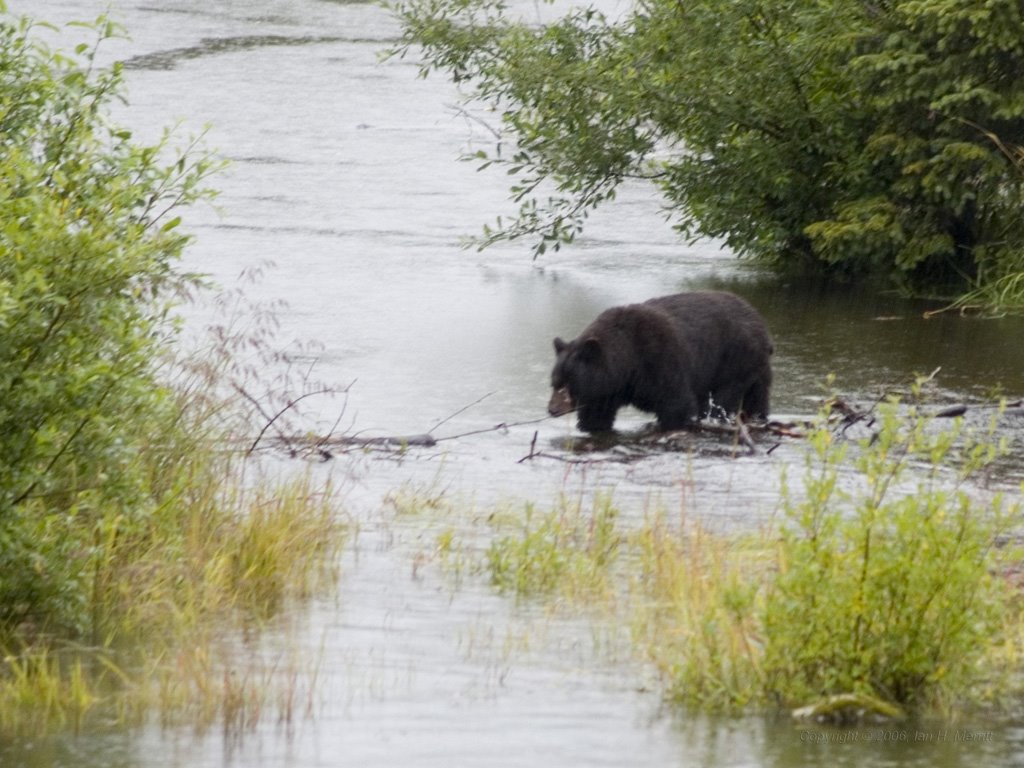
A bear searches for fish from atop a beaver dam near Mendenhall Glacier.
Peeking through the woods at the Mendenhall Glacier. Tree debris in a pool beside Mendenhall Lake.
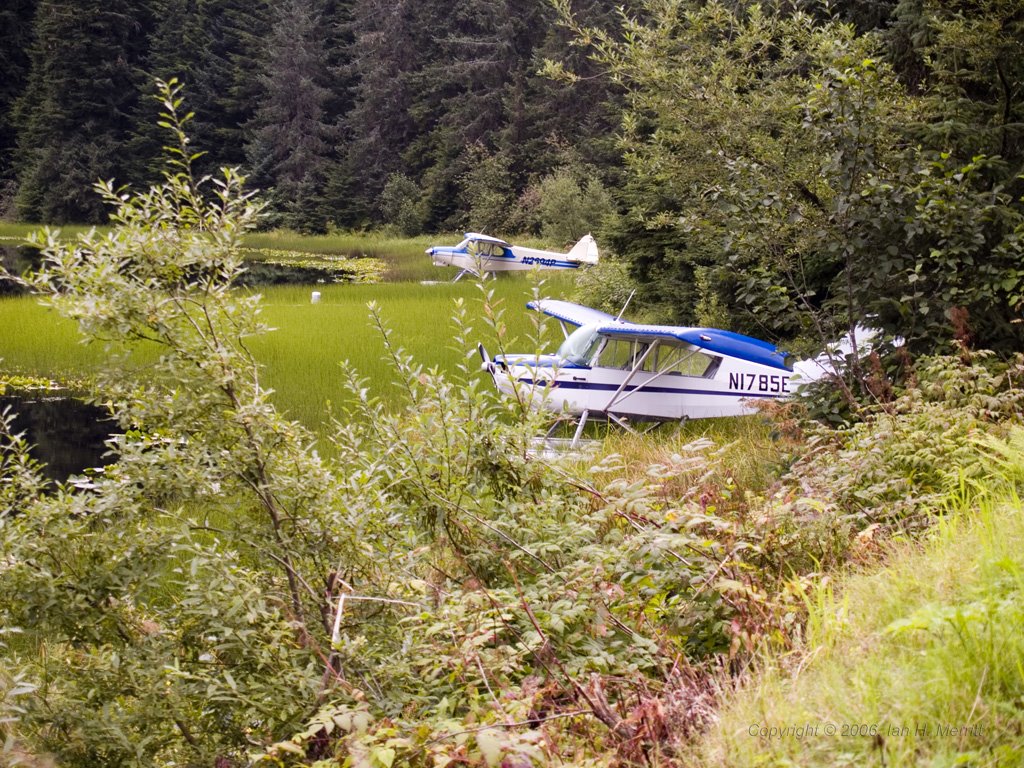
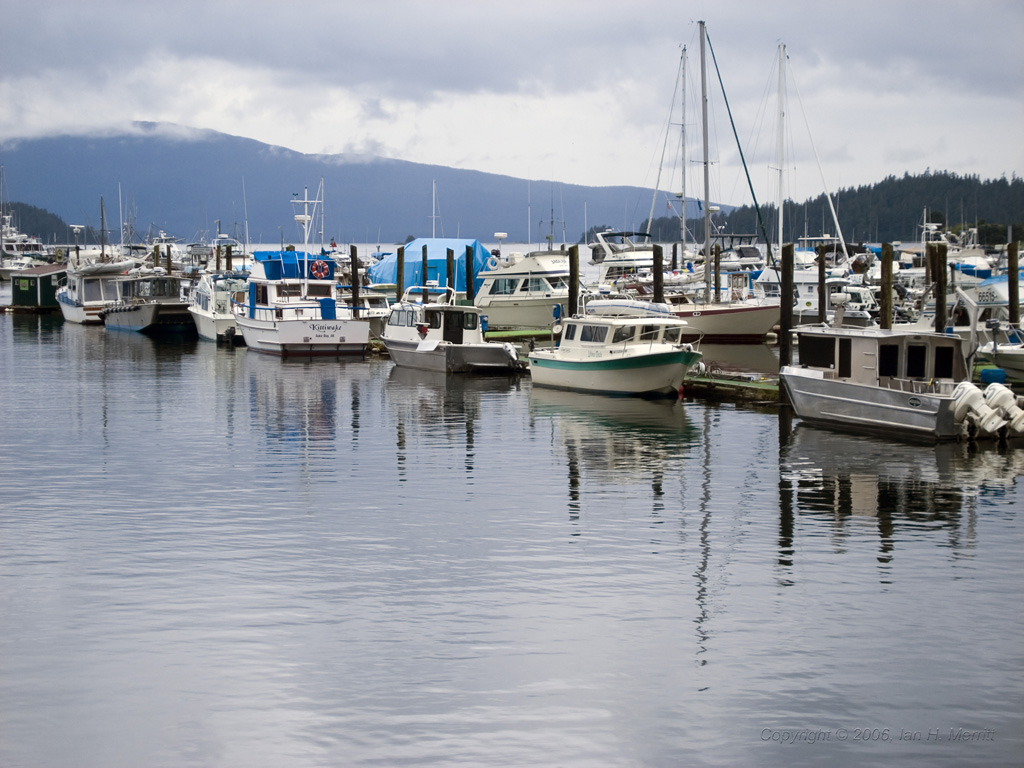
Float planes parked in a scenic cove in Auke Lake. Boats on the glassy calm water as we slowly motor out of Auke Bay Harbor.
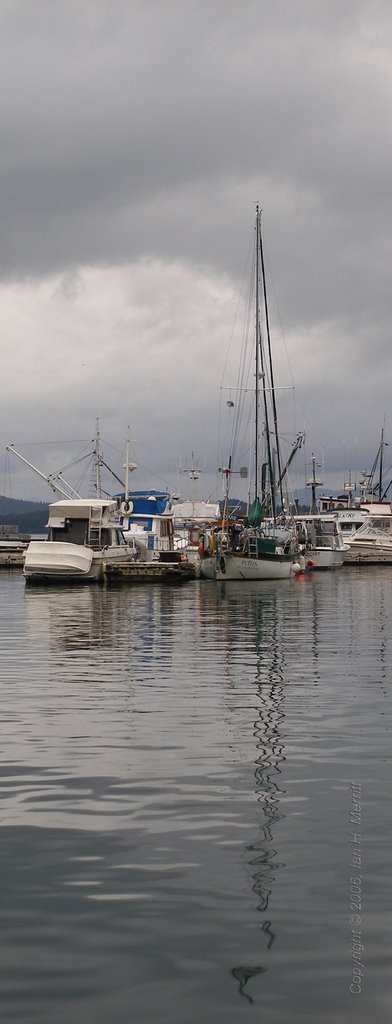
A sail boat in Auke Bay Harbor.
A view from the fishing boat in a quiet moment of reflection (translation: looking around while waiting for a bite).
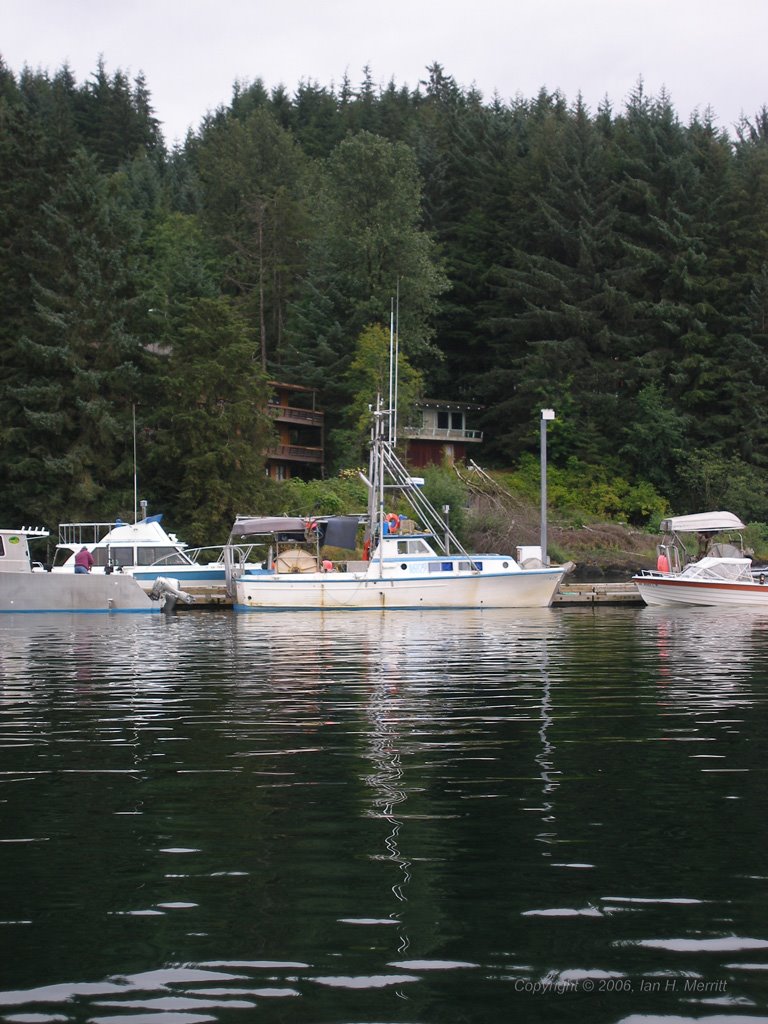
The forest towers over boats back in Auke Bay Harbor.
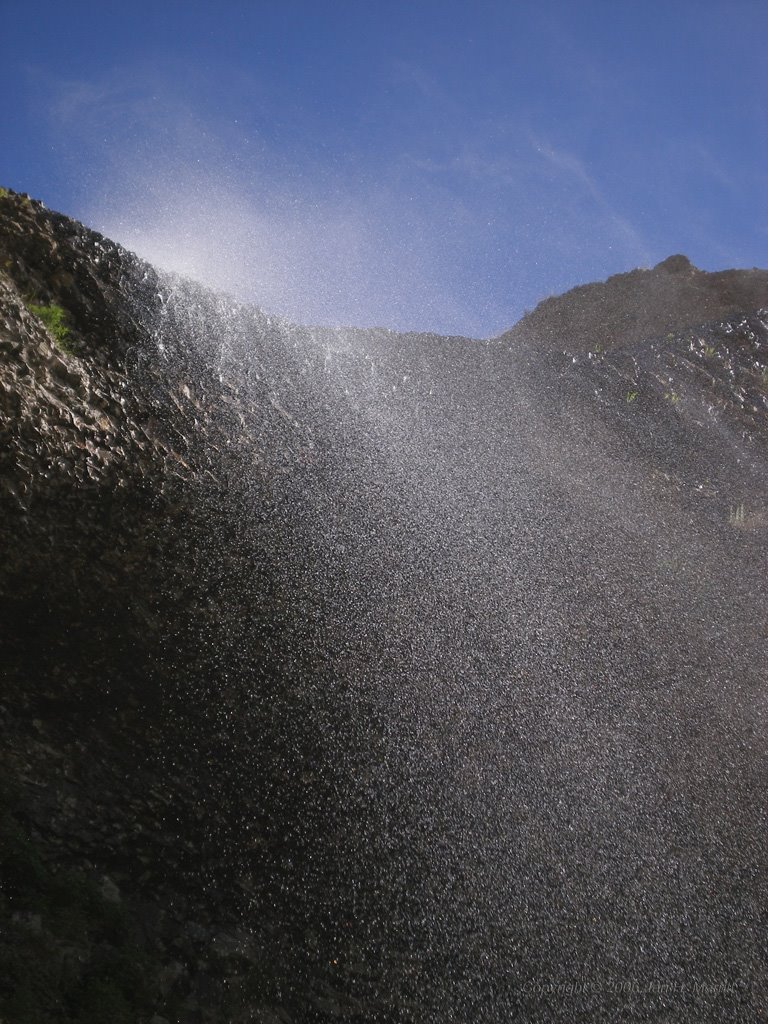
Snoqualmie Falls, a 268 foot drop to the pool below. In times of heavy river flow, the spray can engulf the area beneath the fall. It creates a wet wind that easily drenches the high viewing area.
A steep hike down to the lower level reveals this rainbow view of the falls and a lone fisherman casting from a tiny rock-island below the falls. Posted around ths lower level are warning signs of possible sudden flow surges.
Near the Santa Barbara Pier, a pelican scans the water below for something to eat. With its large bill and head position, it resembles a pterodactyl.
Another pelican dives straight for the water. With a splash, the bird submerges and gulps the fish into a large sac on the lower half of its bill. It will then surface and expel water it also took in; then swallow the fish.
To all of you leaving your wonderful comments, thank you very much. They are always greatly appreciated.
Clicking on an image will now bring up a slide-show view. Hit the 'esc' key to exit that view and return to the regular blog view.
Pin-it
Contact me?
If you wish to contact me, please feel free to leave a comment with an email address to which I can reply. Comments are individually reviewed before posting, so your email address will not be displayed publicly.
Yosemite
-
Yosemite National Park is known the world over and really needs no
introduction. Thousands of people fly over the park every day but few see
it or recogni...
בדרך לבריכה מול גבעת ברנר ים פרגים 30 למרץ 2011
-
ים אדום של פרגים
אחרי הכלניות והצבעונים
כבשו הפרגים
(הנוריות גם מציצות אך לא במסות של הכלניות והפרגים)
שדות אדומים מוקפים בחגורות צהובות של חרציות
ובין מל...
Frequently people land on this site with search queries like "what part of the eye corresponds to the camera shutter". With a camera, the shutter opens for a very precise amount of time and allows light to hit the film or sensor inside the camera. The closest comparison to that in the eye would be the eyelid that can open and close but its purpose is more analogous to that of the lens cap than the shutter. Shutter mechanisms come in a variety of configurations. More detailed information about camera shutters can be found in this article [Wikipedia].
Camera lenses also have a diaphragm iris [Wikipedia] which adjusts to increase or decrease the amount of the available light that can pass through it during any given period of time. This corresponds directly to the iris in the eye [Wikipedia] which serves the same purpose. I suspect many people confuse this with the diaphragm-type shutter mechanism, however both the eye's iris and that of the camera are visible through the lens while the shutter is generally inside the camera and out of sight. In modern cameras, the iris is usually fully open except at the moment when a picture is taken so it can be seen to move right about the same time as the shutter.










 Posts
Posts


