I spent the weekend in and around Santa Maria, CA, visiting with friends. We chanced upon the Rancho Guadalupe Dunes Preserve, a beautiful stretch of beach with dunes, surrounded by a small but beautiful wilderness preserve. Driving toward this park, we passed seemingly endless fields of farmland growing a variety of produce in various stages.
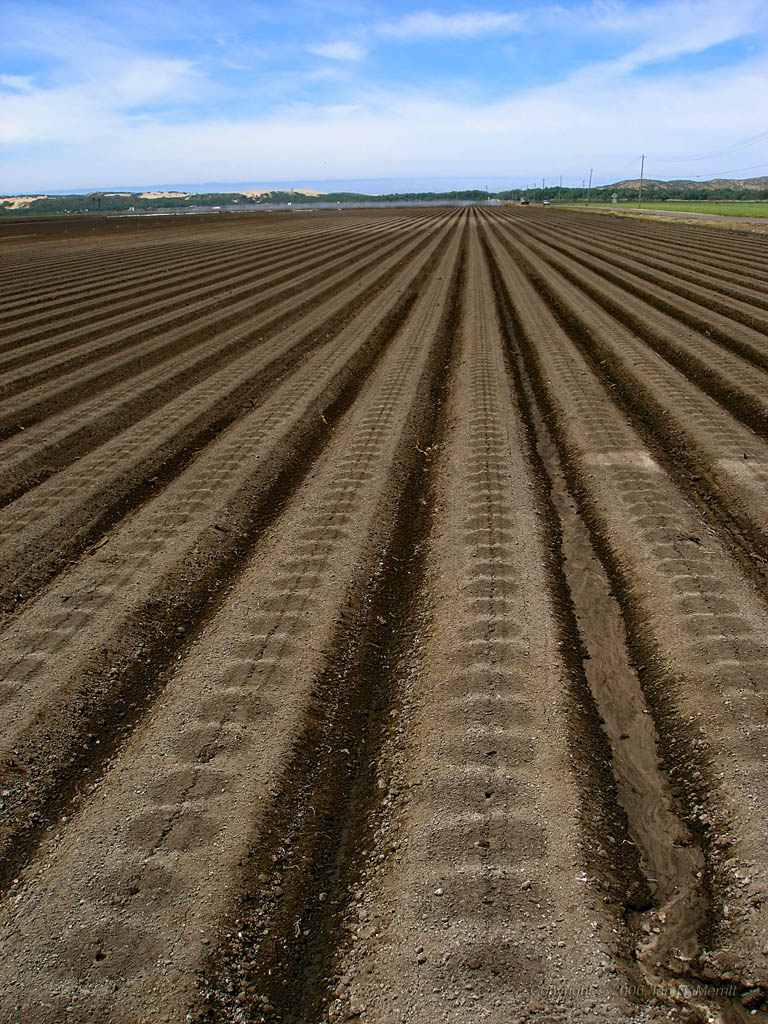
This field was recently ploughed and seeded with a new crop.
Just before the entrance to the park, this twisted old tree greets our arrival.
Driving into the park, a narrow winding road passes first a sand works where sandbags and trucks are loaded with sand for various uses; then climbs a sand hill to overlook a little river valley where cattle peacefully graze.
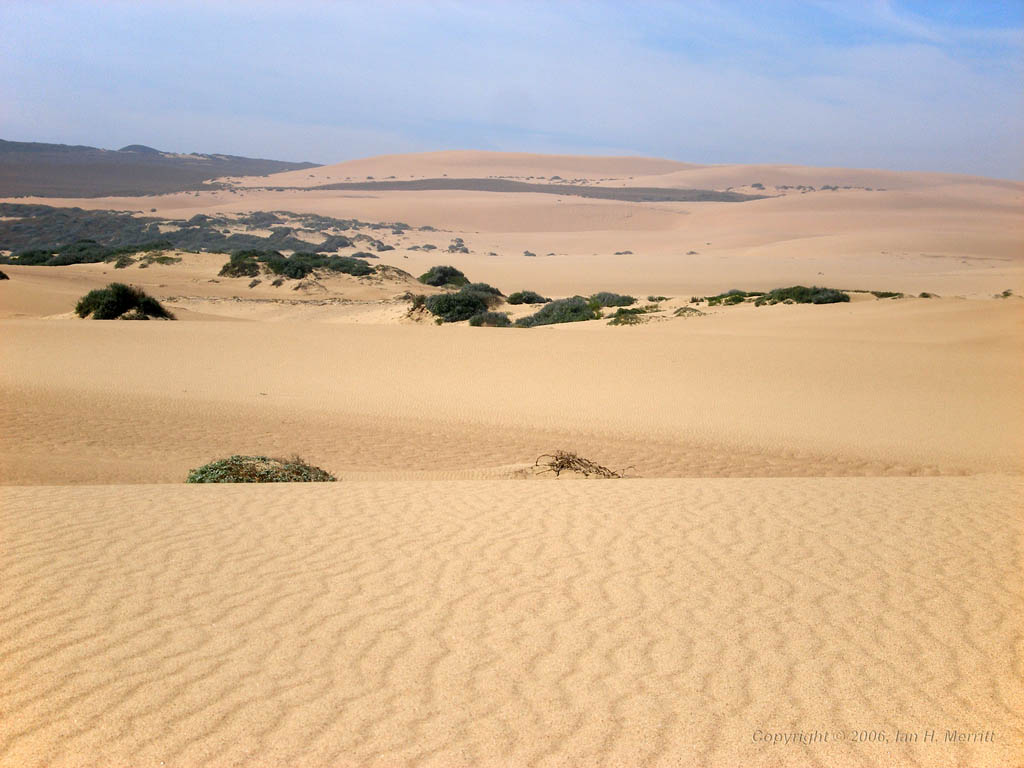
The view just across the road is of a very different landscape looking more like an isolated desolate wilderness than a coastal region so close to fertile farm land.
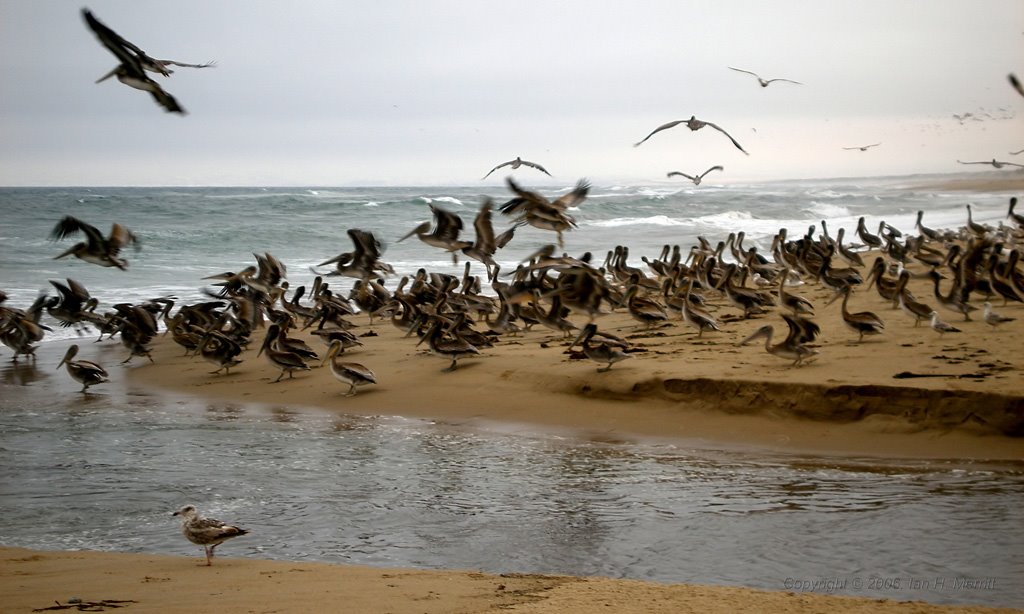
We found crowds on the beach, not of people, but pelicans, seagulls, and a few other species of birds.
Pelicans congregate on the shoreline in preparation for another sortie.
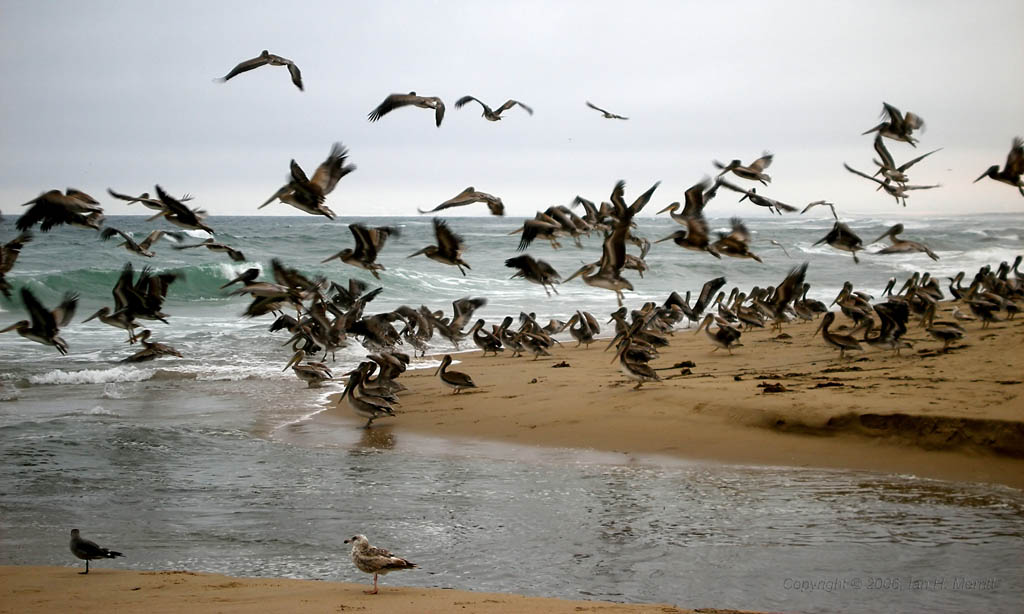
Suddenly, the sortie begins. Within a few seconds, hundreds of the huge birds surge skyward looking like a swarm of enormous bats rising into the sky.
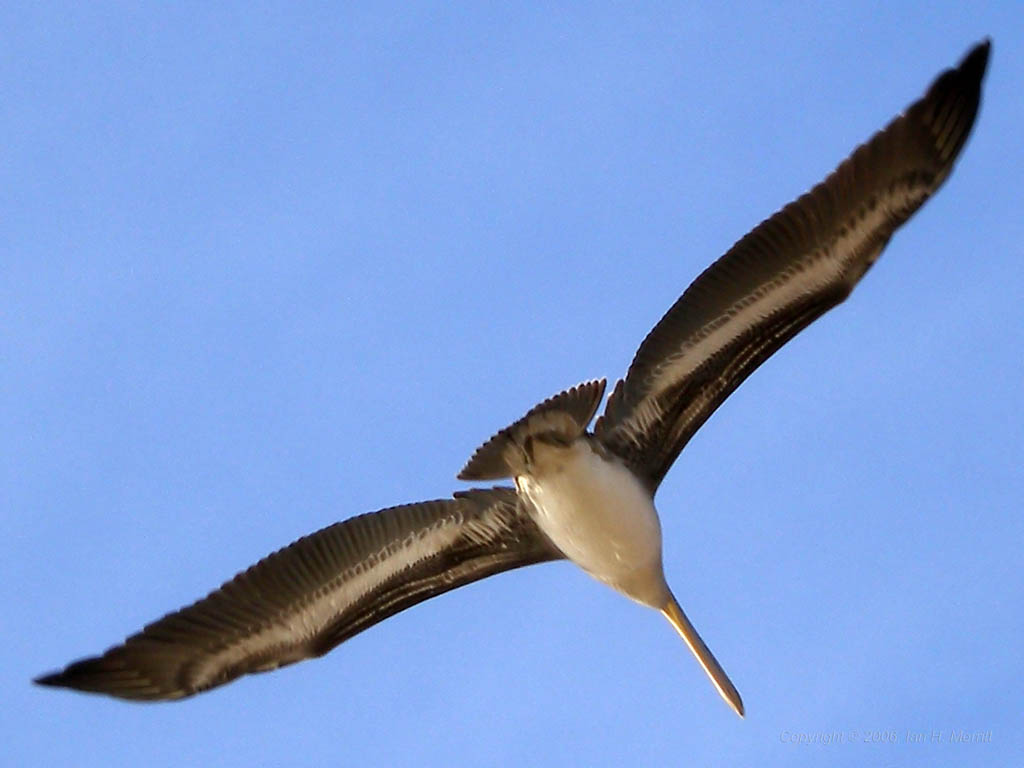
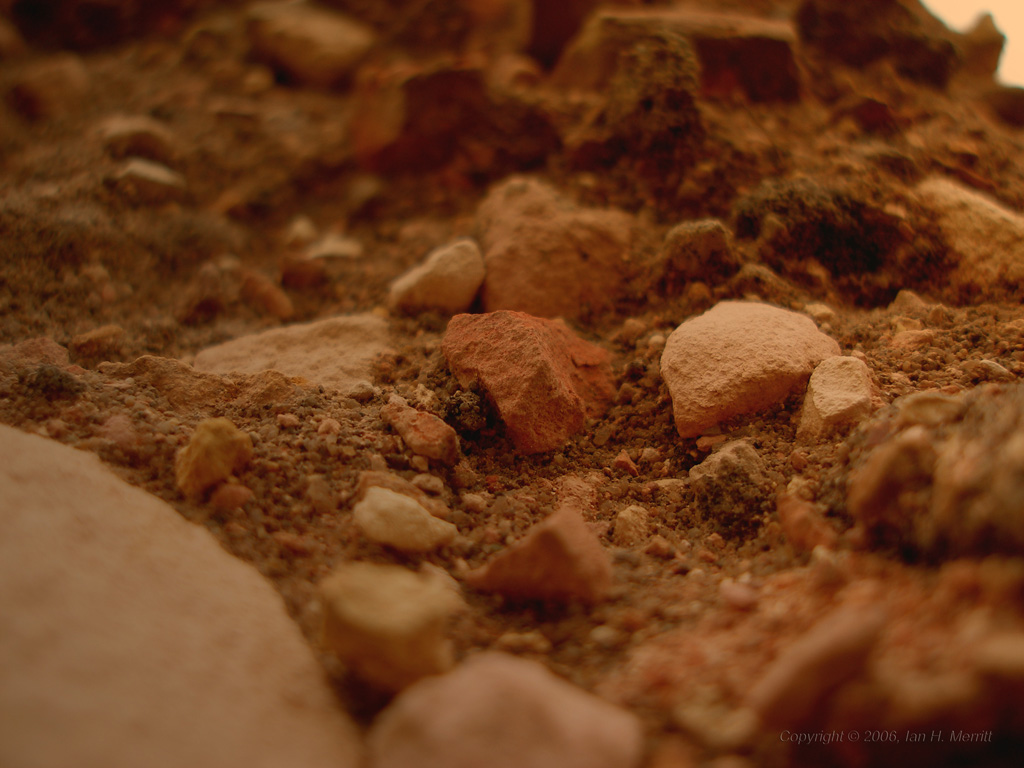
A pelican flies overhead coming around after take-off. Just a short distance from all the life lies a patch of Mars. Apparently lifeless, it consists of rocks that closely resemble many of the surface-level images sent back by the various rovers exploring the surface of that planet.
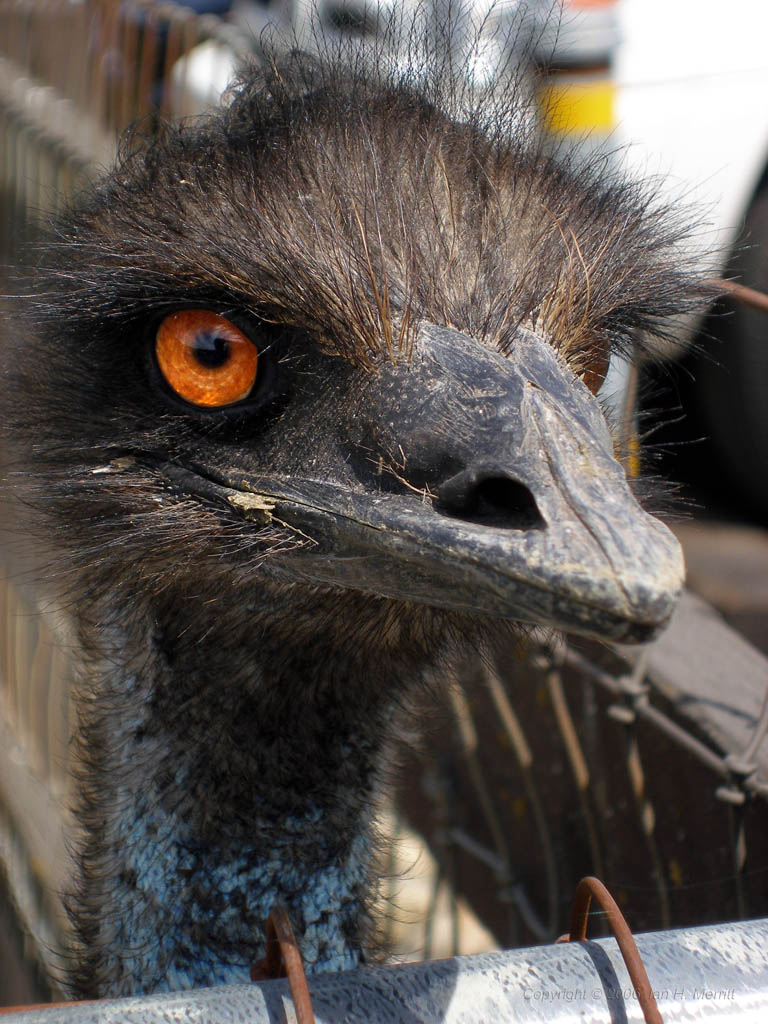
Looking rather like its dinosaur roots, an emu at a local winery peers over the fence separating it from the parking lot.
To all of you leaving your wonderful comments, thank you very much. They are always greatly appreciated.
Clicking on an image will now bring up a slide-show view. Hit the 'esc' key to exit that view and return to the regular blog view.
Pin-it
Contact me?
If you wish to contact me, please feel free to leave a comment with an email address to which I can reply. Comments are individually reviewed before posting, so your email address will not be displayed publicly.
Yosemite
-
Yosemite National Park is known the world over and really needs no
introduction. Thousands of people fly over the park every day but few see
it or recogni...
בדרך לבריכה מול גבעת ברנר ים פרגים 30 למרץ 2011
-
ים אדום של פרגים
אחרי הכלניות והצבעונים
כבשו הפרגים
(הנוריות גם מציצות אך לא במסות של הכלניות והפרגים)
שדות אדומים מוקפים בחגורות צהובות של חרציות
ובין מל...
Frequently people land on this site with search queries like "what part of the eye corresponds to the camera shutter". With a camera, the shutter opens for a very precise amount of time and allows light to hit the film or sensor inside the camera. The closest comparison to that in the eye would be the eyelid that can open and close but its purpose is more analogous to that of the lens cap than the shutter. Shutter mechanisms come in a variety of configurations. More detailed information about camera shutters can be found in this article [Wikipedia].
Camera lenses also have a diaphragm iris [Wikipedia] which adjusts to increase or decrease the amount of the available light that can pass through it during any given period of time. This corresponds directly to the iris in the eye [Wikipedia] which serves the same purpose. I suspect many people confuse this with the diaphragm-type shutter mechanism, however both the eye's iris and that of the camera are visible through the lens while the shutter is generally inside the camera and out of sight. In modern cameras, the iris is usually fully open except at the moment when a picture is taken so it can be seen to move right about the same time as the shutter.











 Posts
Posts


